Immigration Networks

This Immigration onAir network of hubs is focused on bringing together information, experts, organizations, policy makers, and the public to address immigration challenges.

If you or your organization would like to curate a post within this hub (e.g. a profile post on your organization), contact immigration@onair.cc.

Featured VideoHow Ukrainian refugees in Poland are coping a year on from the war 

Immigration is the international movement of people to a destination country of which they are not natives or where they do not possess citizenship in order to settle as permanent residents or naturalized citizens. Commuters, tourists, and other short-term stays in a destination country do not fall under the definition of immigration or migration; seasonal labour immigration is sometimes included, however.


OnAir Post: Immigration Networks
Border control

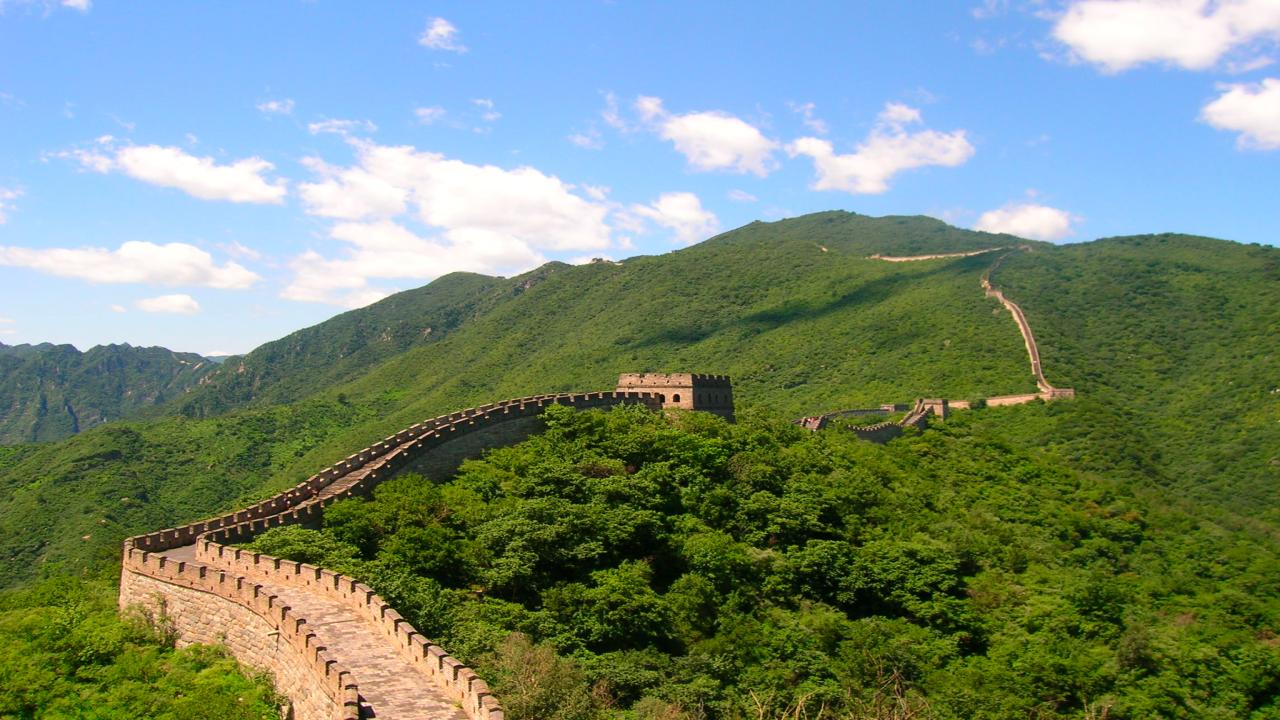
Border control refers to measures taken by governments to monitor and regulate the movement of people, animals, and goods across land, air, and maritime borders. While border control is typically associated with international borders, it also encompasses controls imposed on internal borders within a single state.

Border control measures serve a variety of purposes, ranging from enforcing customs, sanitary and phytosanitary, or biosecurity regulations to restricting migration. While some borders (including most states’ internal borders and international borders within the Schengen Area) are open and completely unguarded, others (including the vast majority of borders between countries as well as some internal borders) are subject to some degree of control and may be crossed legally only at designated checkpoints. Border controls in the 21st century are tightly intertwined with intricate systems of travel documents, visas, and increasingly complex policies that vary between countries.

OnAir Post: Border control

US Economic Impacts

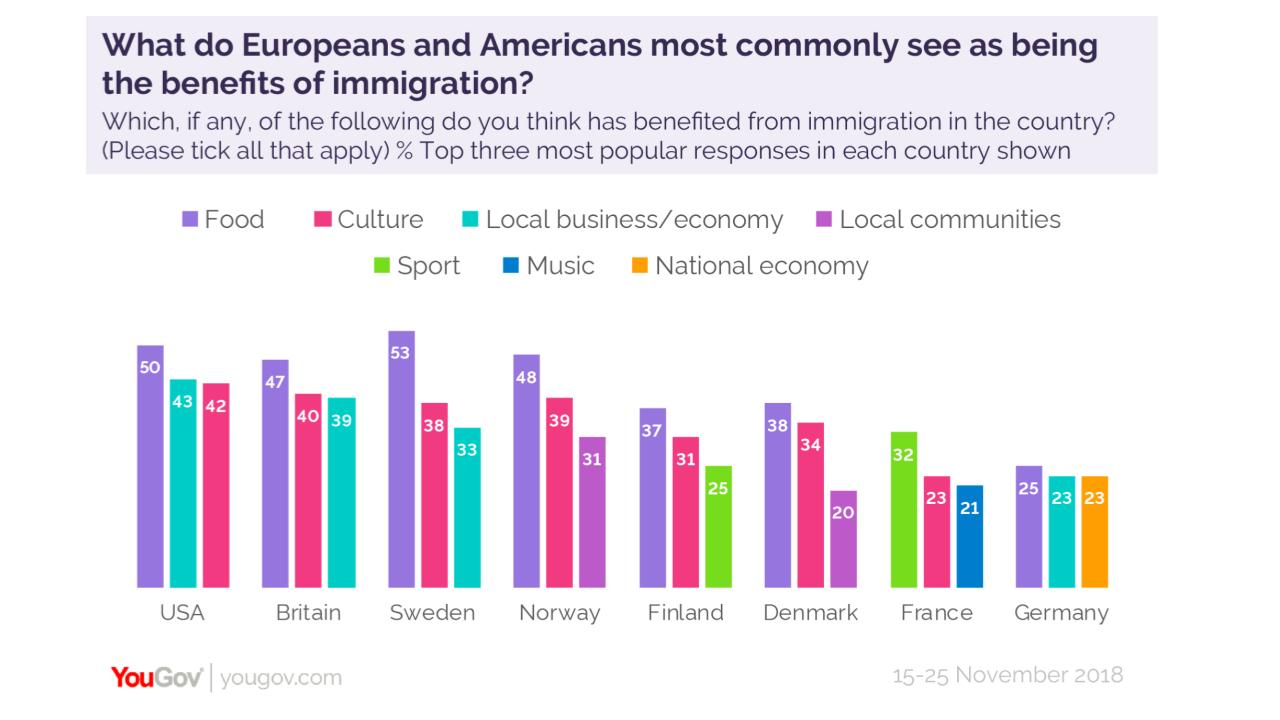
A survey of economists shows a consensus behind the view that high-skilled immigration makes the average American better off.  A survey of the same economists also shows strong support behind the notion that low-skilled immigration makes the average American better off.

Overall immigration has not had much effect on native wage inequality but low-skill immigration has been linked to greater income inequality in the native population.  According to labor economist Giovanni Peri, the existing literature suggests that there are no economic reasons why the American labor market could not easily absorb 100,000 Syrian refugees in a year.

Source: Wikipedia

OnAir Post: US Economic Impacts

IIR – Institute for Immigration Research

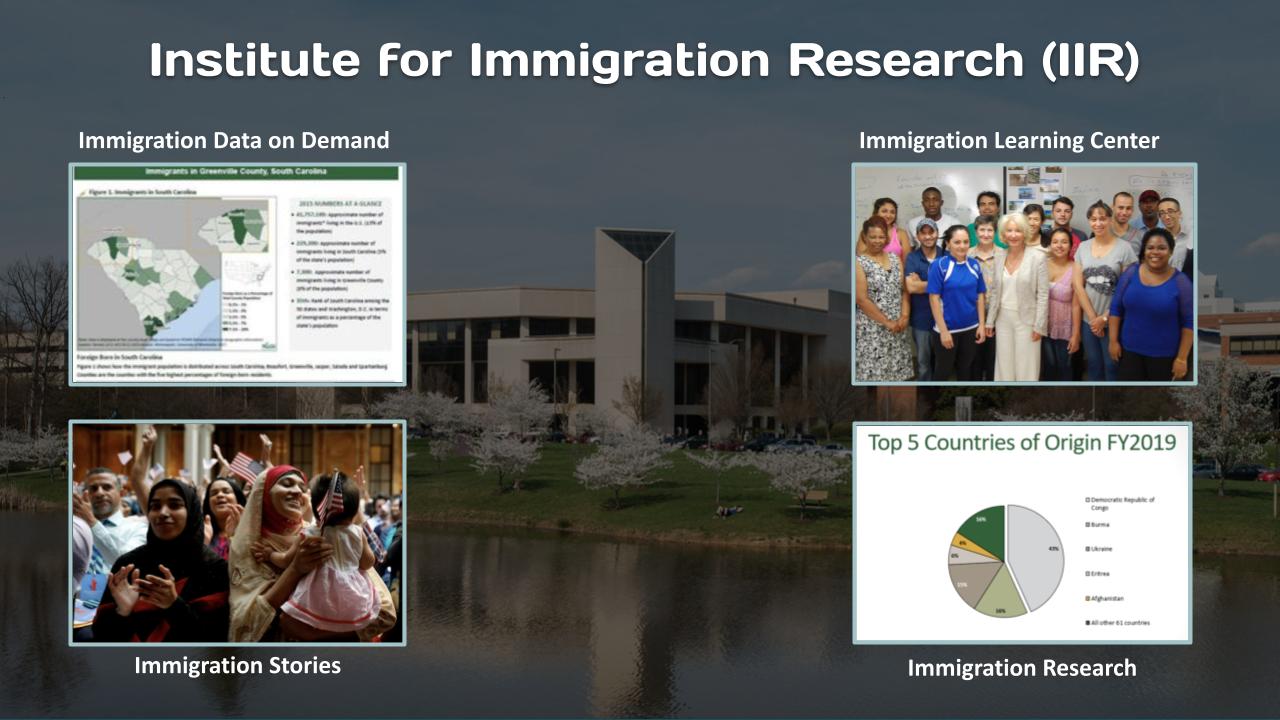
The Institute for Immigration Research (IIR) is a multidisciplinary research institute at George Mason University. The IIR’s mission is to produce valid, reliable, and objective multidisciplinary research on immigrants and immigration to the United States and to disseminate this information through peer-reviewed academic journals, as well as in print and digital formats that make this research easily accessible to policy-makers, the media, the business community, and the general public.

IIR Director is James Witte.

Our faculty affiliates, graduate students, and partners are at the forefront of immigration research. The IIR produces high quality, timely research and analysis that examines the economic contributions of all immigrants in the United States, with a particular emphasis on immigrant entrepreneurs with high levels of education and skills.

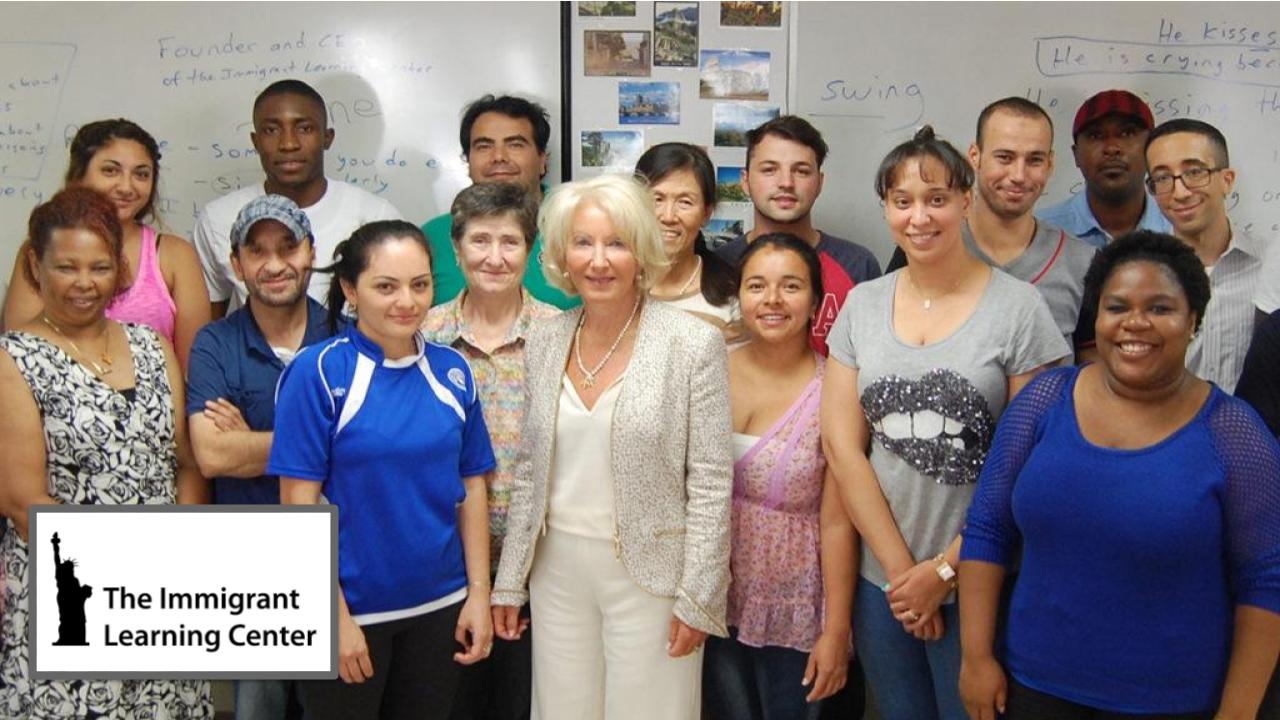
The IIR is a joint venture between George Mason University and The Immigrant Learning Center, Inc. (ILC) of Massachusetts. The IIR was founded in 2012 through the generous donation of Ms. Diane Portnoy, educator and philanthropist from Malden, Massachusetts.

The IIR is located on the campus of George Mason University in Fairfax, Virginia, outside the nation’s capital, Washington, DC. Its strategic location allows the IIR to draw on unparalleled academic, government, and private resources to advance its mission in research, education, and professional opportunities for current and future scholars of immigration studies. Through conferences, workshops, lectures, and other events, the IIR is able to engage in community outreach with one of the most diverse populations in the United States.

OnAir Post: IIR – Institute for Immigration Research

Immigrant Learning Center (ILC)

The Immigrant Learning Center, Inc. (ILC) of Malden, MA, is a not-for-profit organization that gives immigrants a voice in three ways:

  • The English Language Program provides free, year-round ESOL (English for Speakers of Other Languages) classes to help immigrant and refugee adults in Greater Boston become successful workers, parents and community members.
  • The Public Education Institute informs Americans about immigrants and immigration in the United States.
  • The Institute for Immigration Research, a joint venture with George Mason University, conducts research on the economic contributions of immigrants.

Featured VideoDiane Portnoy shares her journey to become

OnAir Post: Immigrant Learning Center (ILC)

IIR Town Hall

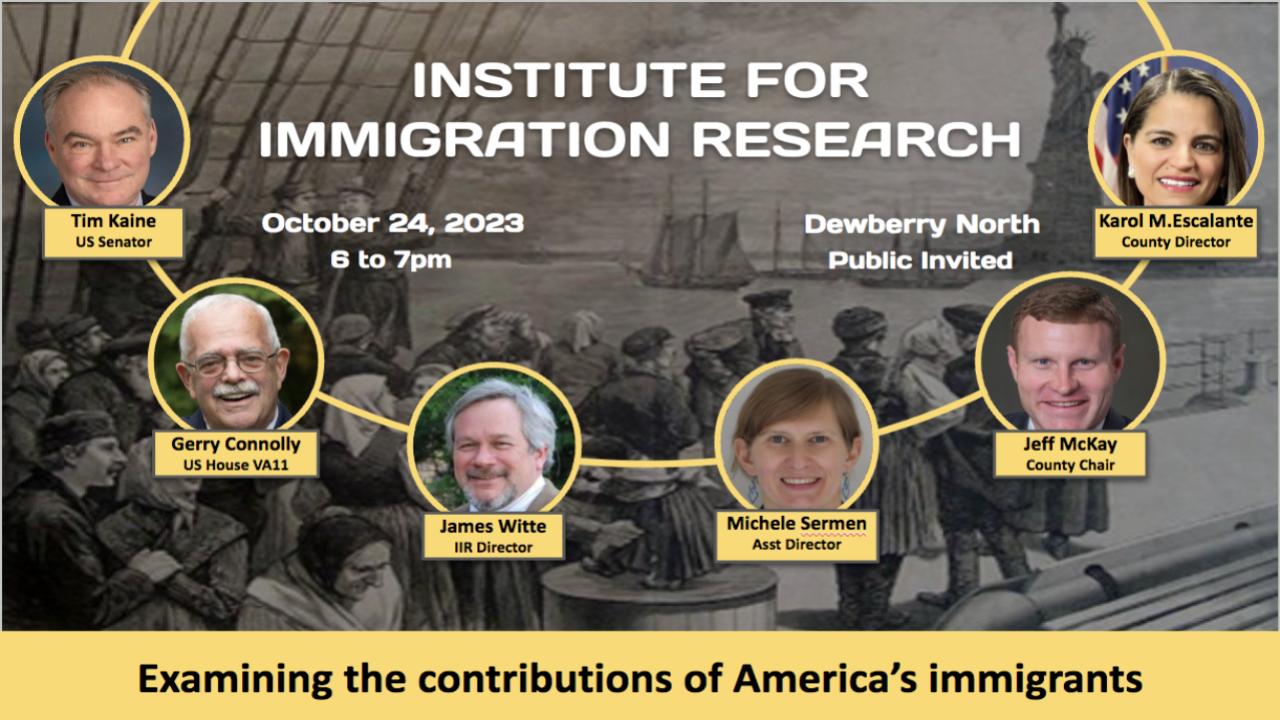
The Institute for Immigration Research (IIR), led by Director James Witte, will be coordinating a Town Hall on Ukrainian war refugees on October 24, 2023 as part of “Meet the Changemakers” day at the George Mason University Fairfax Campus.

The Institute for Immigration Research (IIR) is a multidisciplinary research institute at George Mason University. The IIR’s mission is to produce valid, reliable, and objective multidisciplinary research on immigrants and immigration to the United States and to disseminate this information through peer-reviewed academic journals, as well as in print and digital formats that make this research easily accessible to policy-makers, the media, the business community, and the general public.

OnAir Post: IIR Town Hall

Refugees

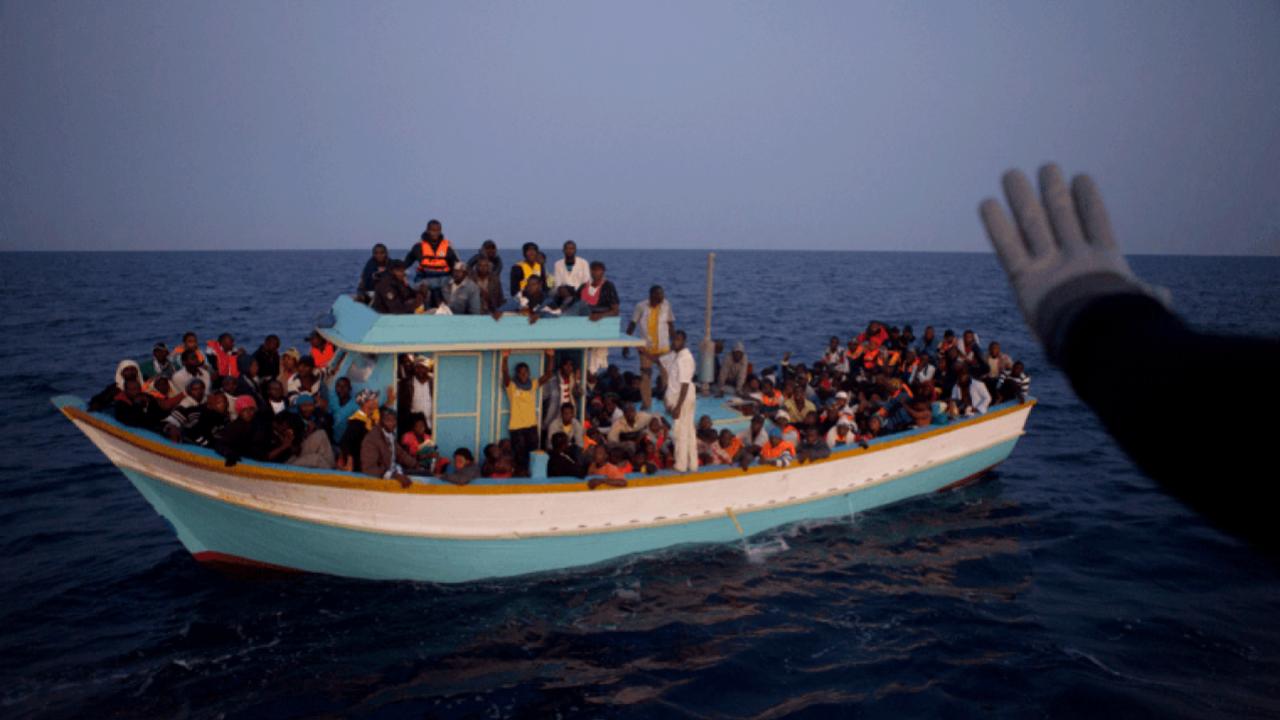
A refugee, conventionally speaking, is a person who has lost the protection of his or her country of origin and who cannot or is unwilling to return there due to well-founded fear of persecution. Such a person may be called an asylum seeker until granted refugee status by the contracting state or the United Nations High Commissioner for Refugees (UNHCR)  if they formally make a claim for asylum.

OnAir Post: Refugees

Skip to toolbar